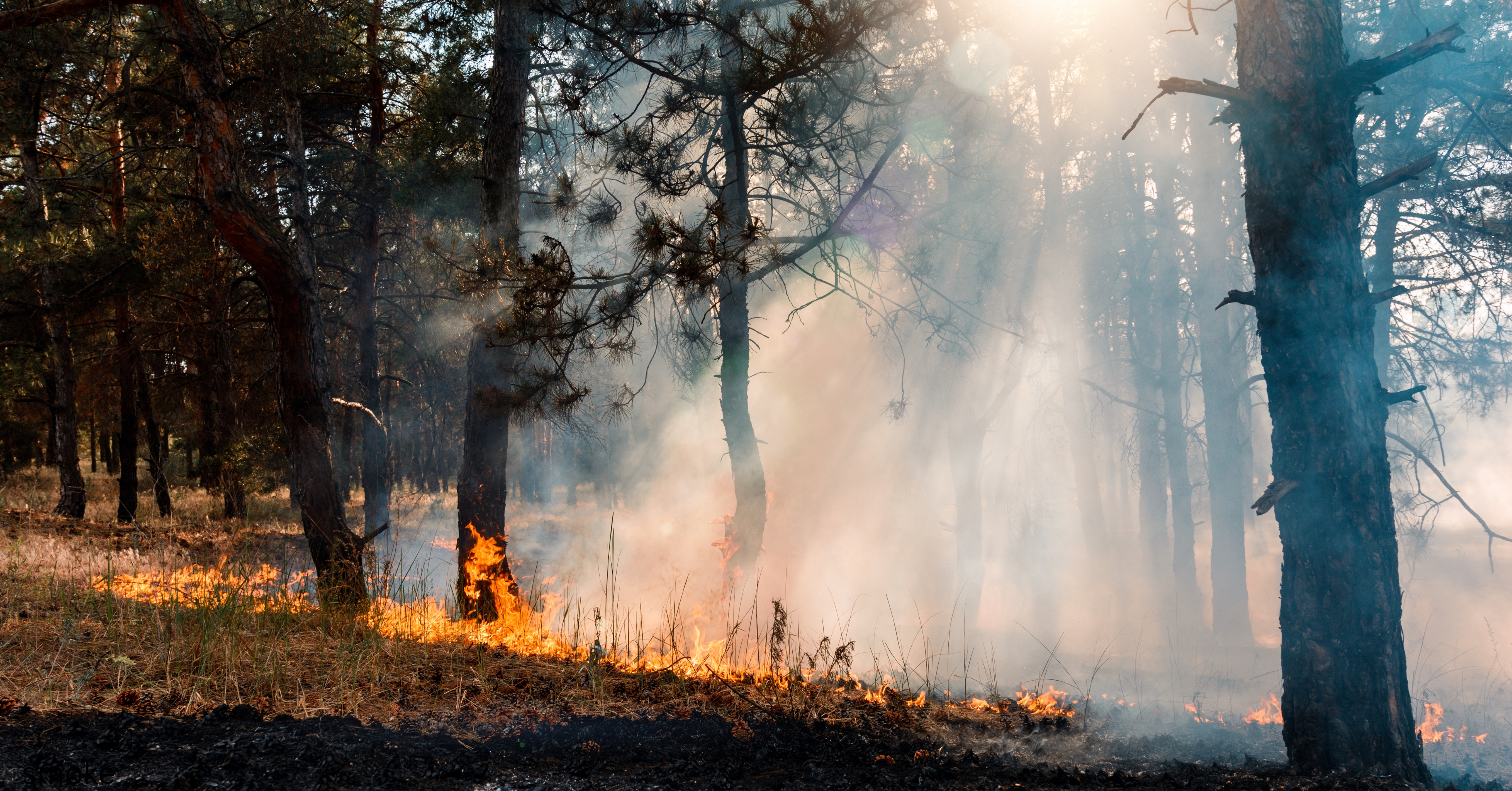
Wildfire smoke has become a summer fixture in the Fraser Valley. Some years it’s a hazy afternoon; other years it’s days on end of poor air quality advisories. Either way, the question homeowners are asking more and more is simple: how do you keep that smoke out of the house?
The answer has less to do with closing your windows and more to do with how your home is built.
Airtightness is your first line of defence.
A loosely built home leaks air constantly through gaps around windows, poorly sealed junctions, and an envelope that was never designed to control airflow in the first place. A tightly built envelope, the kind central to high performance construction, keeps outdoor air (and everything in it) from finding its way inside uninvited. The tighter the home, the more control you actually have over what you’re breathing.
Mechanical ventilation matters more than open windows.
A properly sized HRV or ERV system continuously exchanges stale indoor air for fresh air filtered fresh air. During smoke events, that filtration becomes the difference between a home that stays livable and one that doesn’t. Look for systems that support MERV 13 filtration or higher; standard furnace filters aren’t built for wildfire-grade particulates.
Don’t overlook your return air and intake locations.
Where a home draws in outdoor air matters. Intakes placed away from prevailing smoke direction, combined with sealed, well-designed ductwork, reduce how much smoke-laden air even reaches your filtration system in the first place.
Seal the small gaps, too.
Recessed lighting, electrical penetrations, and attic hatches are common, often-overlooked paths for smoke infiltration. These are the kinds of details that get resolved during a proper blower door test and air sealing process another high performance building practice that pulls double duty for smoke season.
Have a plan for portable filtration as backup.
Even the best-built home benefits from a portable HEPA filtration unit in bedrooms or main living spaces during the worst smoke days, especially in older additions or spaces not part of the original build.
Clean indoor air isn’t a luxury feature it’s a health outcome. At Sonbuilt, building tight, well-ventilated, properly filtered homes has always been part of building for comfort. It just so happens that the same principles that keep a home quiet and efficient also keep the air inside it clean, wildfire season or not.
A well built home … even in the places you don’t see.
YOUR COMMENT